
From the Axial Age to the C-Suite

Normally, I do not receive much insight from GQ magazine. I do not have six-pack abs or an unlimited clothing budget, so I often skip the magazine in favor of something more intellectual. To my surprise, Kevin Lincoln wrote a great article that makes extra sense after a difficult week leading my team. Culturally, we spend plenty of time talking about the front-facing and heroic elements. What gets ignored are the mental efforts leaders must exert to inspire others and get the job done. Today, I want to discuss it.
Lincoln pointed out that venture capitalist Marc Andreessen and UFC President and CEO Dana White recently made similar statements about their leadership styles. It rejects self-reflection and often dominates with action, ignoring consequences. Andreessen talked to David Senra on his podcast, "Like, 400 years ago, it never would have occurred to anybody to be introspective. I mean, just all of the modern conceptions around introspection and therapy and all the things that kind of result from that are, you know, kind of a manufacture of the 1910s, 1920s…Great men of history didn't sit around doing this stuff and any prior point, right? It's all a new construct."
In essence, Andreessen claims that introspection is a weakness and that you can blame people like Sigmund Freud for undermining Western Civilization with his talk about mental health and the inner lives of people. I consider this position hogwash, which someone like Andreessen and his supporters would dismiss, because I often work for people like Andreessen and, as one of the people on the ground, I often build what they finance. Often, I am hired because I help get work done and make venture capitalists' money. They are outsourcing their introspection and emotional labor to people like me because they are incapable of doing it themselves.
The philosopher Karl Jaspers said humanity changed significantly around 500 BCE and entered a period he called the axial age. Writers over two thousand years ago shifted their perspectives from external events and began to plumb the mental struggles of their characters. Even the Gods of religious faith were psychologically interrogated by Ovid in his Metamorphoses. The religious faiths of Judaism, Christianity, Islam, and Buddhism focus on the inner struggle to understand emotions and motivations. Looking inward, it seems, is as old as Western Civilization itself.
What has changed is the complexity and pressure of contemporary life. An office worker is living in a constant state of fight-or-flight. The fickle nature of the global economy offers little job security. The threat of unemployment forces people to self-optimize to become more productive, so they can be more indispensable as workers and citizens. It is a treadmill of anxiety and fear of falling behind. It's no wonder that people are consuming mountains of antidepressant drugs. We need them to cope.
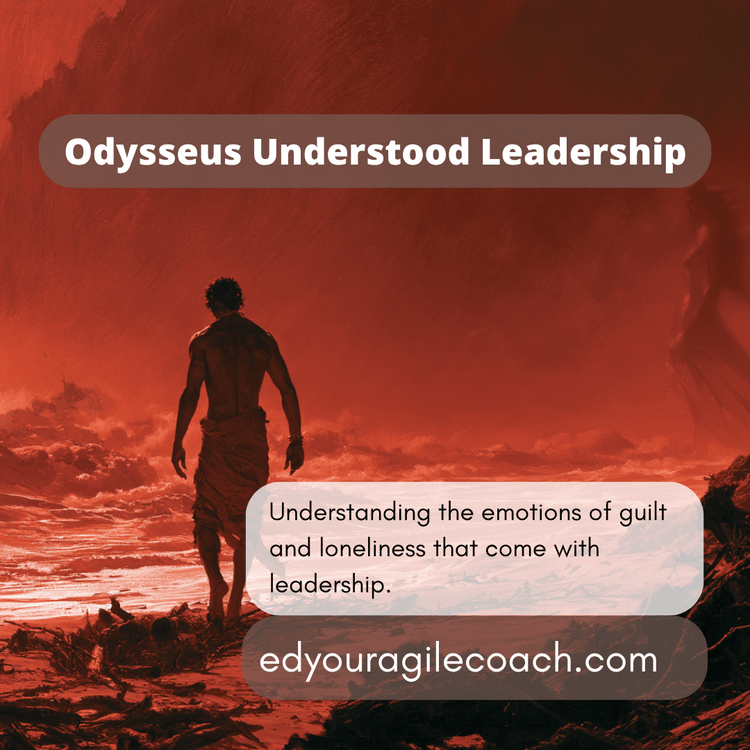
It brings me back to Andreessen's claim that introspection and therapy are signs of weakness. A casual review of history and the personal journal of a historical figure will show that self-reflection and self-doubt are two sides of the leadership coin. MacArthur, the most arrogant military commander in American history, had plenty of dark moments of the soul. The worst was during the lead-up to the Inchon invasion of Korea. Winston Churchill and Franklin Roosevelt self-medicated themselves with an unhealthy amount of alcohol during the early days of World War II. Eisenhower had crippling insomnia and smoked constantly, aggravating his heart disease during the invasion of Europe. Bottom line, plenty of great leaders in history have suffered from mental illness caused by stress and had to struggle with personal demons.
This is why honest self-reflection is a survival mechanism, not a weakness. To endure the modern corporate treadmill, leaders must understand their emotional triggers and openly acknowledge where they are struggling. More than that, we must grant ourselves grace. After a recent grueling day on the ground, I had to simply stop and remind myself: It was an awful day, but it was yesterday. I survived, and I learned. We don't always need to conquer; sometimes, simply surviving is a stunning success in the business world.
Self-reflection, taking your mental health seriously, and granting yourself grace time to time are necessary leadership skills. Andreessen says they are unnecessary, but what he is really claiming is that he is wealthy and powerful enough to outsource those emotions to others, so he can wallow in his wealth. It is a luxury that most people cannot afford, which is why he embraces that shallowness so enthusiastically.
Until next time.


Comments ()