
The Leader at the Mast
As a coach and scrum master, I rely on stories to help motivate my team. I rely on my liberal arts background and draw on literary examples to inform situations and provide guidance. Sometimes, I rely on science fiction stories, and other times I stick with the classics. Presently, I am serving on a team that is going through a storming phase and has experienced significant leadership turnover. I am helping them find their way back to performance and repair the trust deficit among them. It reminds me of the story from the Odyssey. Today, I want to share it and how it will help you navigate the storming process of your team.
The Story –
At the end of the Trojan War, Odysseus and his crew sail home to their families. The God of the Sea, Poseidon, has a grudge and forces Odysseus and his crew to take the long way home. It is a twenty-year journey filled with danger, magic, and pointed lessons about human frailty. Odysseus is a skilled and brave commander, but he is arrogant and a glory hound. The Odyssey is about Odysseus's journey home, which he must undertake before he can return to his family. Many leaders in corporate life live like Odysseus, attempting to keep the ship on course and surviving dangerous encounters along the way.
The Sirens –
Midway through the Odyssey, we learn the story of the Sirens. Odysseus and his crew have spent a year in port restocking their ship and plan to set sail. He learns about the Sirens who shipwreck each vessel that passes close to their island. They do not do it with violence but seduction. They sing a song, and the sailors abandon their posts to drown or be eaten alive by the predatory Sirens. The beaches around the island are littered with shipwrecks and the bones of their victims.
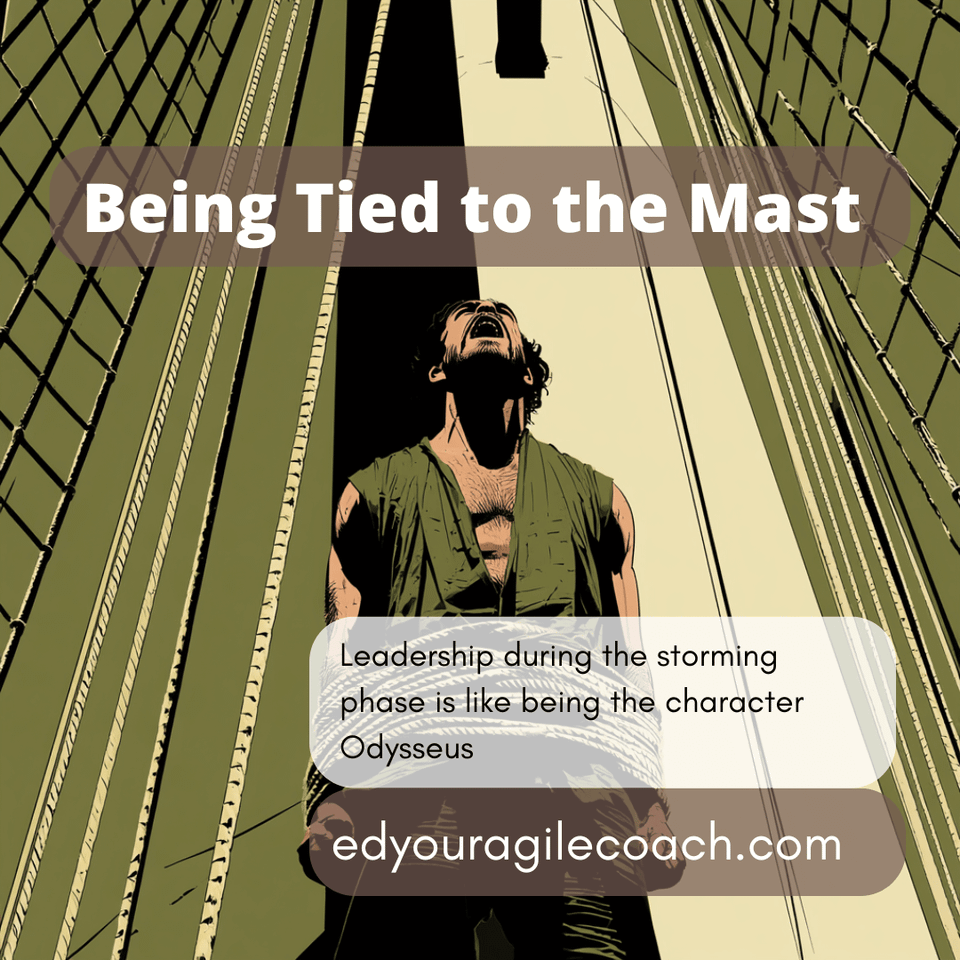
Odysseus, being the leader, has a plan. He melts some bees' wax and plugs the ears of his crew and orders them to row for their lives. He instructs his lieutenants to tie him to the mast of the ship and not release him until they are a safe distance from the island and the Sirens.
Poseidon made the journey more dangerous by conjuring up a squall to swamp the ship. With the crew rendered deaf and the commander tied to the mast, they attempt to row past the Sirens. Odysseus begs to be freed from his bindings. The Sirens lure him with tales of glory, pleasure, and release. The ship almost capsizes, but after some tense moments, the storm breaks, and the crew removes the wax from their ears, and their commander is freed. Everyone has survived, but they are all profoundly changed.
What it Means for the Agile Coach –
Odysseus is the only man to hear the Sirens' song and survive the experience. It changes him, and the story marks a liminal space between the battlefields of Troy and the comforts of home. For the first time in the story, Odysseus doubts his leadership and ability to get himself and the crew home. Many leaders are stuck in this liminal space between where the team is and where they need to be. It is challenging and humbling work where you are struggling while the team is rowing for its life. Meanwhile, you are tied to the mast of a ship, helpless, because in this state of danger, any action you take will spell personal disaster or team failure.
Many leaders struggle like Odysseus, trying to care for their team while battling the voices that often torment them, such as imposter syndrome and gossip. Our fate is tied to our team, so we are mentally tied to the mast pulling against our metaphorical restraints. Hopefully, we will have subordinates who know how to untie the rope when the danger has passed.
The story of Odysseus is also about trust. The crew of Odysseus's ship trusts the plan, and likewise, the hero knows to trust the men to focus and follow orders. If one of the crew members removed the wax from their ears, the ship might have sunk on the rocks, and the Sirens would claim an easy meal.
The tale of Odysseus is helpful for any team going through a storming process. The danger is real, and the process is messy, but if they want to teach their destination, they must endure it. A story from over two thousand years ago is the way to understand a very contemporary business situation. Keep it in mind the next time the team struggles through a business process.
Until next time.


Comments ()