
When the Drawbridge is Down.
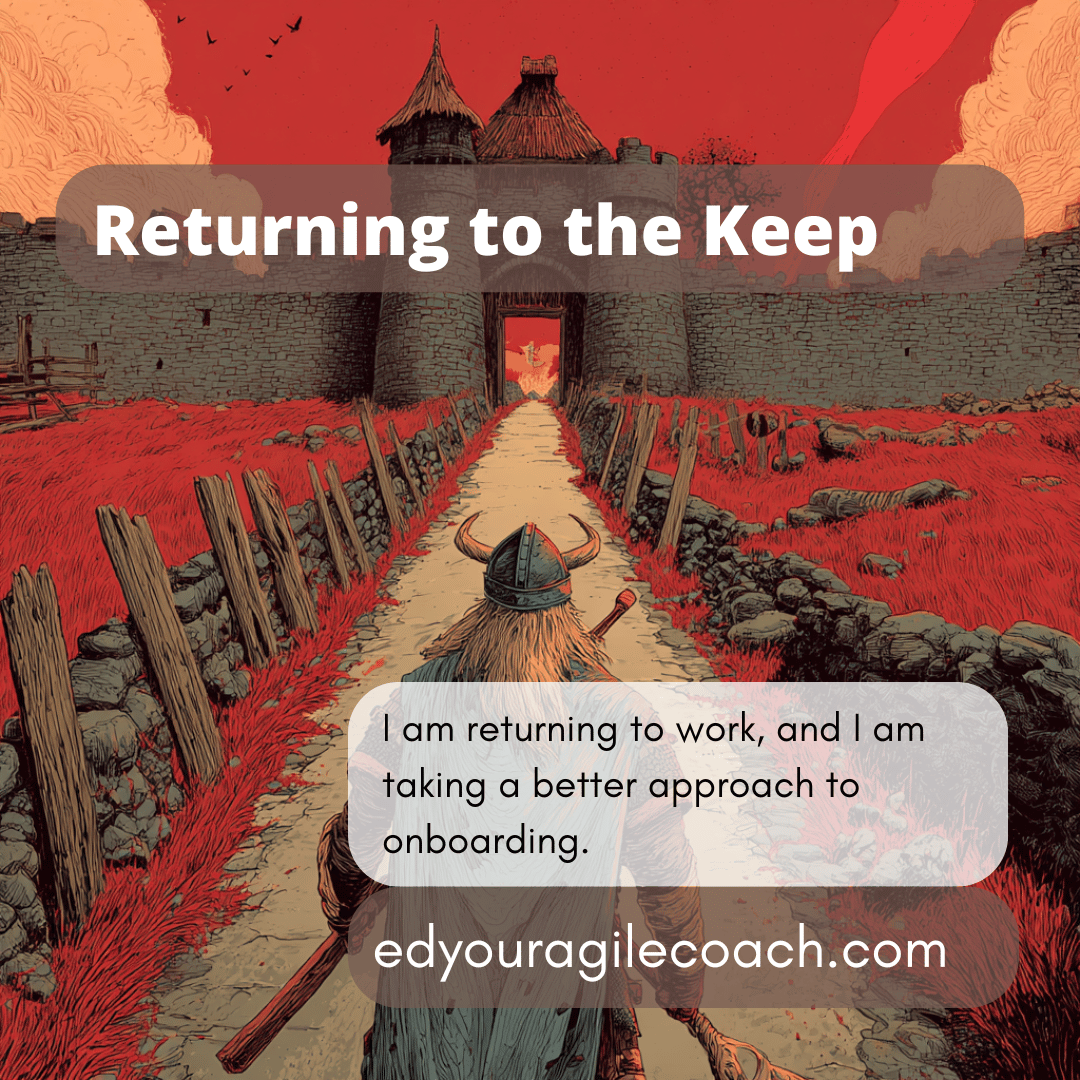
I began a new consulting opportunity last week. After the uncertainty of the last four months, it was nice to get involved with a new company and return to a routine. The most difficult part about being unemployed is the social isolation that comes with the economic hardship. Last week, I explained that getting laid off feels like being exiled from a medieval kingdom and forced to wander the wilderness. Today, I want to explain the process I follow when the guards open the drawbridge and let you in.
Learning to lead with curiosity –
I was extremely grateful when I received my offer letter. Days spent applying for jobs, drafting cover letters, and waiting for people to call me back transformed into provisioning a laptop, reorganizing my office, and preparing for new expectations and demands on my time. I walked into a new workplace with a new cast of characters and the goal of creating a good first impression. It is an awkward, uncomfortable time when you get your bearings and learn how to be useful.
Since I am stepping into a leadership role, I am relying on the examples of leadership that I respect. Oddly enough, one example is the Apple TV show, Ted Lasso. For those who have not seen the show, an American college football coach is hired by a bitter divorcee who received an English soccer club as part of the divorce settlement.
In the first season, she thinks the American coach will ruin the club and that she will exact a measure of vengeance against her ex-husband. The coach is Ted Lasso, a fish-out-of-water navigating the world of English club soccer. Over the course of the series, we see that Ted is struggling with his marriage and is using alcohol to cope. At the same time, he is a gifted leader and coach. He defies expectations and slowly turns a losing club around while winning the local fan base's respect.
In one episode, he has a conversation with someone while he is playing darts at the local pub. He is losing, and the room is tense. Still, he is not concerned because he is discussing coaching and explains the most important lesson he learned from one of his mentors, "Don’t lead with judgement," he says, taking a sip of beer, "lead with curiosity and things will work out." Then, with a flourish, he wins the dart game. It is a feel-good moment in the show, but it is also a lesson in emotion regulation and leadership.
During our formative years, young people are graded and judged like cattle. How we perform on the athletic field, in the classroom, and among our peers is judged constantly. We are in constant competition with each other. It creates moments when we are aware of our shortcomings and how we do not measure up to others. With a winner-take-all mentality, we judge others and ourselves harshly.
These habits follow us into adulthood, and we spend plenty of time making value judgments about others. Soon, we will be deciding who is worthy of respect and who we should shun. What if we withheld judgment and asked why people looked and behaved in certain ways at work? We could learn a few things about them and ourselves. Since I am starting over, I am leaning into this approach, and it pleasantly surprises me. An early dispute at the office is about school drop-off times conflicting with meeting times. Once I understood that, I became more respectful toward that colleague and wanted to learn more about her career and family journey. Someone who might be a problem colleague is really someone who is just trying to take her kids to school, and instead, I understood what motivated her at work. This insight came from watching a TV character drink beer and play darts.
Intention and Problem-solving –
Starting a new job is also a test. People want to know whether you can follow directions and handle problems. Setting up a company laptop with security protocols, corporate network services, and remote desktop and server access is challenging even for the most seasoned technology professionals. The setup is supposed to flow a simple checklist, but you often run into roadblocks. How you handle this situation will determine if you can be trusted with more ambiguous situations later.
My laptop did something freakish during my onboarding. Instead of panicking, I attempted to work on the problems. I also made sure to communicate my issue while troubleshooting. My client wanted me to install email and Teams on my phone so they could reach me in situations like this. Together with some tech support professionals, we resolved the issue with minimal downtime.
Letting people know something is wrong is not weakness or incompetence. If you can diagnose problems and provide direction, business leaders appreciate your desire to overcome obstacles. It is part of the learning how to be prepared, coachable, and ready to execute. I earned some trust this week.
Starting a new job is not easy, but by showing curiosity rather than judgment and being intentional in my problem-solving, I am kicking off my engagement on a positive note.
Until next time.




Comments ()