
Surviving the Tech Winter
The internet is a strange place. Anyone can exist online, from people into cross-stitch to individuals involved in Gooning. My tastes fall somewhere in the middle of this spectrum. I participate in plenty of technology discussions, follow board gaming culture, and look up an occasional cocktail recipe online. The unique, unfettered nature of online communities makes them interesting. Once you learn who the bad actors are and how to avoid them, you find people who are passionate and want to make the world a better place. Today, I want to take time out to recognize how the internet and its culture have helped me over the years.
The White Collar Breakroom –
The social media site for business professionals, LinkedIn, is transforming in the wake of recent tech layoffs. In its early days, LinkedIn felt like an open-bar networking event. People connected, looked for business, showed off products, discussed business trends, and were around like-minded people. Quickly, it became a place where you built an online "brand" for your business. In the agile world, we used LinkedIn to find like-minded people and drive change in the technology industry.
It was no typical reform movement; it doubled as a marketplace where recruiters and executives scouted for talent. On LinkedIn, members cloaked the drive for change in professional polish or the cold, hard facts of business reality. Those advocating for Agile did so with a performative smile or the pragmatic scowl of someone from accounting. This corporate packaging worked, allowing Agile to take firm root within the platform's professional ecosystem.
It began to change with the failure of Facebook's Metaverse initiative and the layoffs that followed. Since the end of the dot-com crash, if you lost a job in technology, you could often find a better-paying role within a few weeks. Now, power has shifted from knowledge workers to employers looking to cover costs and appear fiscally responsible. Next, executives demanded that people return to the office and used numerous tactics to pressure workers, including performance improvement plans (PIPs). It was ugly, and you witnessed people fight back, arguing that the PIPs were capricious and that executives' expectations were unrealistic. Revolution was simmering under a professional veneer.
I think that the situation changed with the inauguration of the second Trump Presidency. Executives seized the opportunity to be ruthless, as Google, Amazon, and Microsoft traded human employees for massive investments in Artificial Intelligence. Over the course of the year, the mood significantly shifted. The defiance became dread. People with decades of experience were out of work, and no one was hiring. People posted messages about unemployment running out, medical bills piling up, and the lousy state of the job market.
Jobs often had hundreds of applicants, many of whom were ghost jobs posted by employers with no intention of filling them. People used artificial intelligence to craft resumes and cover letters and to automate the job search process. It transformed an entire labor pool of confident and smart people and undermined their sense of self-worth. Scammers posing as fake recruiters, faux CEOs seeking executives via Signal chats, and people peddling resume rewrite services took advantage of the market. The Artificial Intelligence arms race escalated as bots began impersonating people to find vulnerable job seekers for easy cash. Meanwhile, trolls promoting all sorts os political messages popped up blaming diversity, equity, and inclusion efforts for the poor job market.
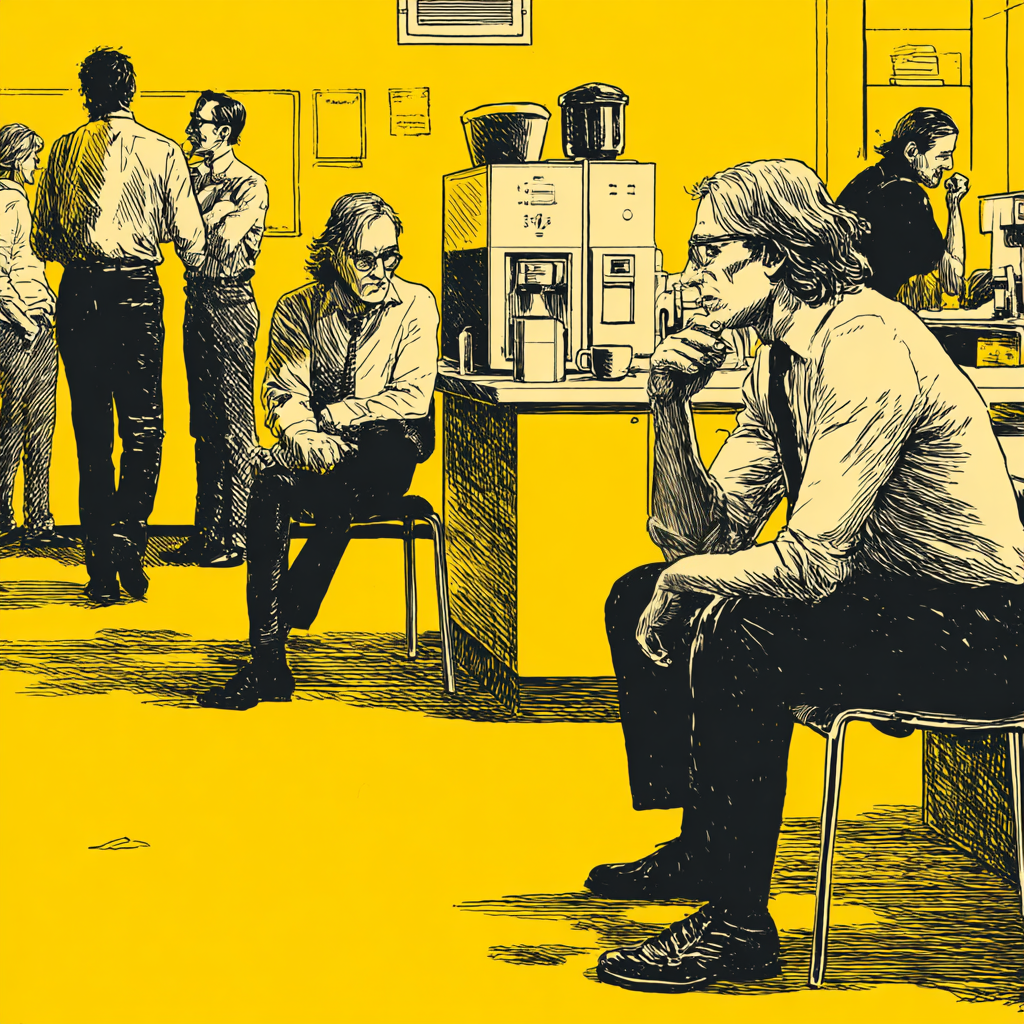
The social network no longer resembled a Chamber of Commerce after hours, with deals getting done. It was now the employee breakroom where traumatized people riddled with anxiety about their careers gossiped, witnessed the destruction of their coworkers' careers, and wondered if they were going to be next. In the midst of this crisis, members began to band together. They posted jobs outside traditional networks, exposed scammers, and organically boosted messages from people who needed immediate support. Members pitched in where they could, and it encourages me that, when times are tough, white-collar professionals help each other. It was also a place where we could allow others to vent without judgment.
LinkedIn is a very different place than when I joined over twenty years ago. Fortunately, the people on it are doing their best to keep it from devolving into AI Slop and corporate toxic positivity. It is no longer a drinky chamber of commerce meeting, but a place to share tea, sympathy, and hope.
To the Fediverse and Beyond –
When Elon Musk took over Twitter, I decided to abandon the network and try something else. I had never heard of Mastodon, but decided to try it out thanks to a recommendation from Wired magazine. It was a little intimidating at first, but soon I was on board, enjoying the action.
For those who still do not know about Federated Services and Social media, the Fediverse is a collection of tools that treat social media like email. You have an email address for your mail, and you can use numerous tools to send and read it, like Outlook or Gmail. It became so popular that Meta created its Threads service to join the growing Fediverse ecosystem. Since these services are decentralized, run by volunteers and donations, advertising is nonexistent, timelines are often sequential, and anyone can post information. It feels like the internet of twenty years ago, when people swapped ideas and gossip.
People in the open source community have stepped up, and there are an increasing number of mobile tools to allow people to post in the Fediverse. I am partial to the Fedilab Mastodon app and the Pixlefed mobile app for the Fediverse, for images.
For every major technology social media application, the Fedivers has an analogous counterpart. Mastodon is a replacement for 'X'. PixelFed is a great place for images, and PeerTube lets you post videos. They even have a Facebook replacement called Friendica. These environments tend to be smaller, but the people involved are passionate and smart. By policing their own content, members successfully suppress troll activity. Finally, you get disagreement and dissent without people being jerks to each other. It renews my faith in social media, and I hope they become the future as Meta and 'X' choke on AI slop.
The Resistance Blogs Back –
My blog began in the aftermath of my divorce and my effort to launch my own SaaS company. It has documented many things, including my strange career journey and the changing technology business. It was also a way to keep in touch with other technology professionals and learn new things. Lawrence Gasik and his Broken Intellisense website keep me up to date on SOLID Programming, and Alberto Blanco's Leadsticks offers a lot on being a better leader.
When you have a blog, the only person you need to answer to is yourself and your readers. You can call out bad actors without fear of retaliation and express yourself in ways you don't naturally in the office. Plenty of passionate and committed people have blogs, and even in disagreement, I have learned something from them. Much of the skepticism toward Artificial Intelligence has bubbled up from bloggers working on the technology firsthand. Insider information seems to originate from blogs, and finally, when someone has to shout into the void, the blogging community is there to listen. I feel that my blog is part of an ongoing conversation, and people can hear my voice.
Wrapping Up –
The internet is still a weird place, but LinkedIn allows professionals a chance to support each other. The Fediverse gives people a way to escape the worst tendencies of social media while building healthier communities. Finally, bloggers enable more detailed and informed conversations on any topic. It is why I remain online, and it has kept me focused as I attempt to return to work.
Until next time.



Comments ()