
Doing and Discerning "Triple-C" Part 3
Change in the business world is fraught with peril. Too much change and large organizations seize up in paralysis. Not enough, and they risk extinction due to market forces. It is a difficult line to walk. Today, I am continuing my series about Bill Pasmore’s book, Leading Continuous Change, and how you can use its principles in your business.
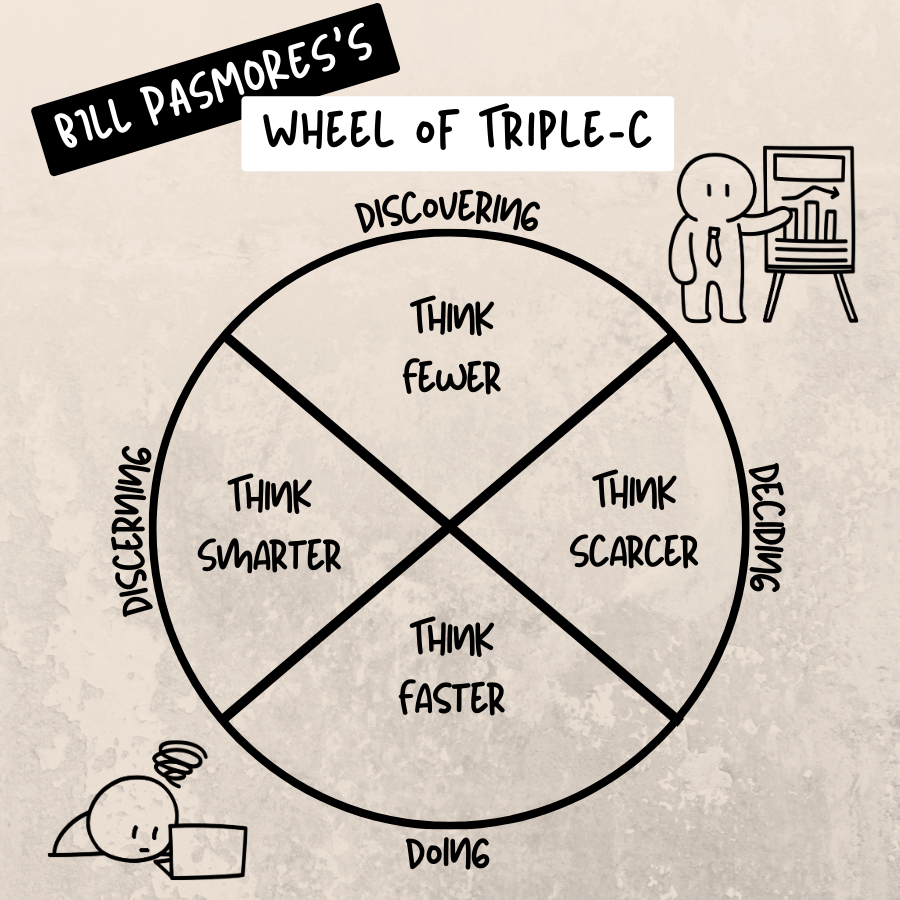
According to Pasmore, complex continuous change, or Triple-C for short, can be understood and managed using a steady process. The steps of this process are:
- Discovering
- Deciding
- Doing
- Discerning
We covered the first two items last time. Today, we will focus on the remainder.
Doing –
Triple-C does not appreciate caution or a lack of execution, so when you decide to make a change, you must carry it out. Let us return to our example of fluctuating sugar prices at our fictional candy factory. In the discovery phase, we understood that commodity prices were causing price instability. In the deciding phase, we determined that sugar prices were a priority. Here in the doing phase, we test our approach and stabilize those prices. We could use a Dutch auction process with vendors to get the best price, or rely on commodity futures to lock in lower prices. It does not matter which approach we take; what matters is that we do something and implement it deliberately.
If you have seen a SWAT team or commando raid, you will notice that the people are not running or shouting. Instead, they are moving deliberately and silently as they attempt to shoot the bad guys and free hostages. The Navy SEALs use the saying, “…slow is quick and quick is fast.” Pasmore explains that to speed things up, you must be deliberate and determined when implementing a change. In the doing change phase, commit to the change and make sure everyone understands what is happening and how it will impact them. Be frank and straightforward about the goals. It is also vital that you let everyone know it is an experiment to solve a business problem.
An approach like this will make others less resistant to change and improve buy-in. It will allow others to adopt the change quickly.
Discerning –
Once you implement a change, the last step in the Wheel of Triple-C is discerning. Here is where the organization reflects. The people implementing and executing the change conduct a thorough examination of the process and discuss what worked and what did not. Here, the organization learns and avoids costly mistakes, confusion, and bad morale. If we return to our fictional candy factory, the procurement department, executives, and finance get together to see if the sugar pricing change worked. Suppose they used a Dutch auction process with vendors. The finance people are happy because sugar prices have stabilized, but procurement notices that sugar quality is declining, which creates ill will toward vendors. It is up to everyone in the discerning process to develop a better approach to the price of sugar and the declining quality of materials.
The discerning process looks like an agile retrospective, but it occurs at the company level rather than the team level. Based on what our candy company discovered, they may need a different approach to sugar pricing than a Dutch auction to squeeze vendors. Here, the wheel turns again, and we return to the discovery phase.
A circular approach –
By now, it should be obvious that Passmore treats change as an ongoing process rather than something with a clear beginning, middle, and end. Change is discovered, decided upon, carried out deliberately, and then discerned to see if it should be continued or changed. It requires people to set aside agendas and ego. It also stresses different values during each phase.
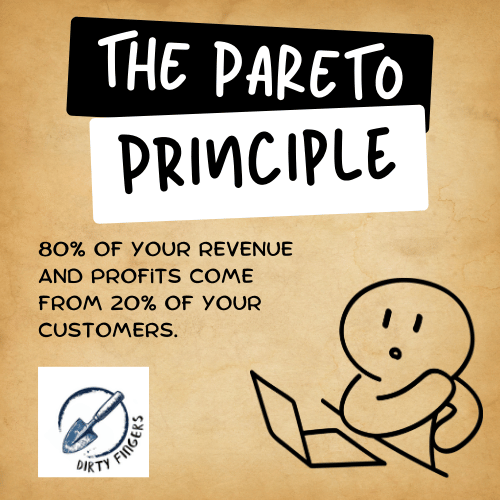
During discovery, it is easy to see all the necessary changes. For change to be effective, we need to change fewer things and concentrate on what will have the greatest impact. It is why the Pareto principle is so important for organizations. A simple change can have massive effects. So the 20% of your customer base might create an 80% increase in profits.
When deciding to do something, you must have a scarcity mindset. You only have so much time, energy, and money to accomplish something, so you must budget the work wisely to execute change. During the doing phase, I mentioned that slow, deliberate change enables execution at ruthless speed. Finally, during the discerning phase, we must set aside ego and learn from the experience of change. Without learning, failure is certain.
I consider Bill Pasmore’s book a valuable tool and recommend it to any agile coach or executive attempting to lead change. Next week, I will wrap up and compare Pasmore’s approach to other tools in the marketplace.
Until next time.

Comments ()